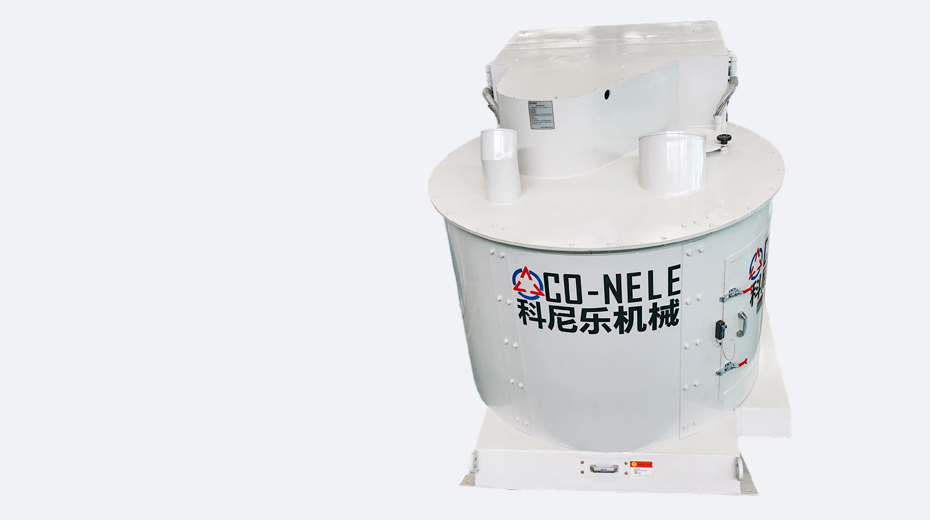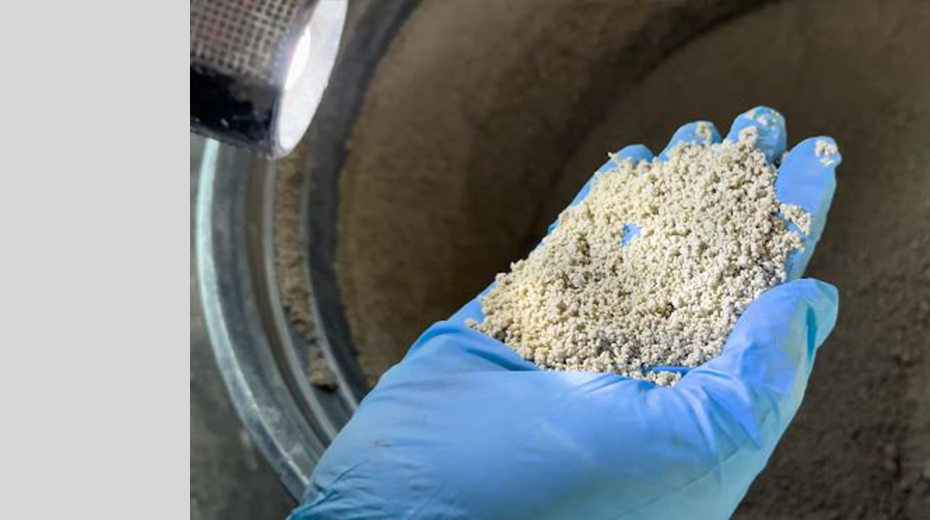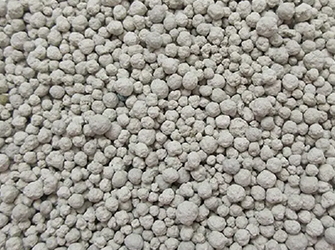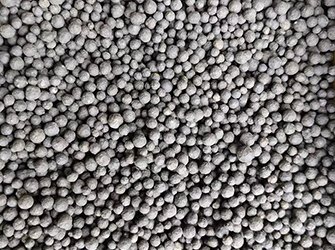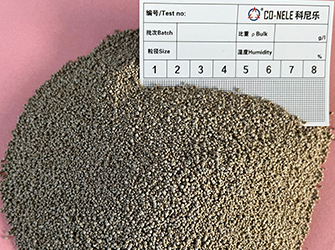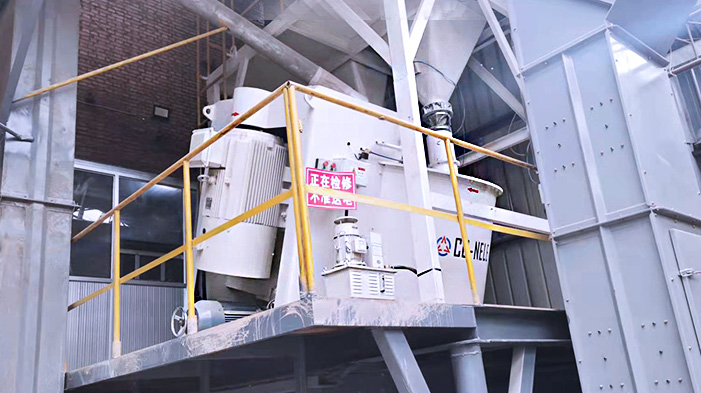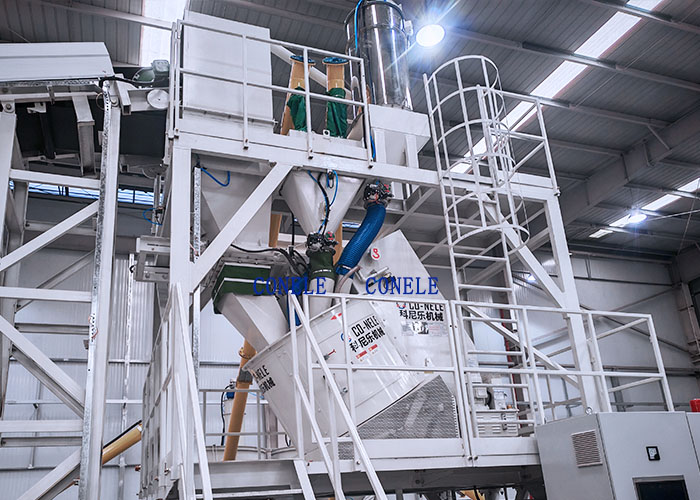
Bentonite is a material with strong hygroscopicity and high viscosity, renowned for its bonding properties, sealing ability, absorbency, and lubricity. The CONELE bentonite granulatorprocesses bentonite clay into granular form, making it easier to handle and apply.
Bentonite Granules Production Line Solutions:
1. Raw Material Pre-treatment: Screening, crushing, and drying.
2. Batching and Mixing: According to the formula, bentonite and possible additives (such as binders and modifiers) are precisely measured and efficiently mixed.
3. Granulation and Forming: Select the appropriate granulating machine based on product requirements (particle strength, shape, density, etc.).
Types of Bentonite Granulators:
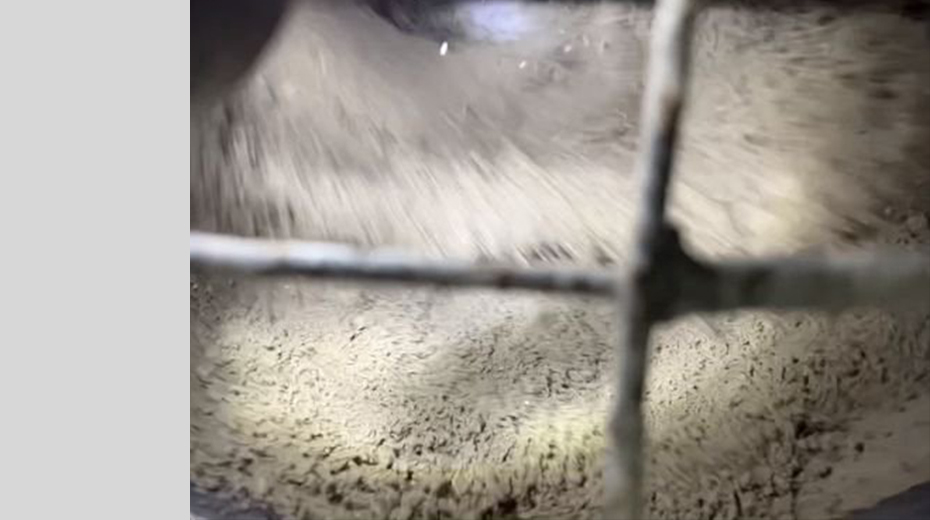
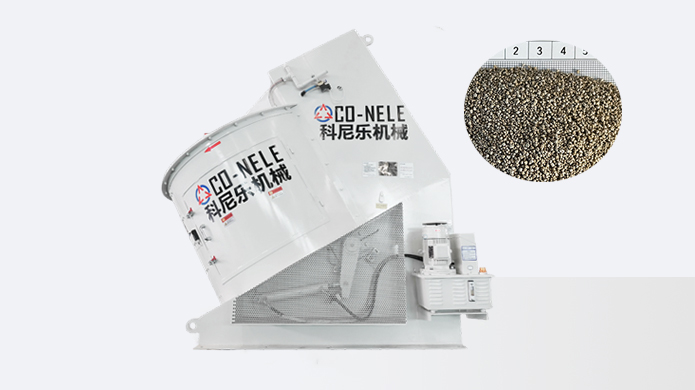
- Three-Dimensional Mixing Granulator-granulator machine: This machine can achieve fine mixing and granulation in a single unit. By adjusting the rotation speed, tilt angle, and binder addition amount, different particle sizes can be achieved. CONELE Bentonite granulators have a wide range of applications, whether for bonding foundry sand, forming iron ore pellets, manufacturing high-efficiency drilling mud, or producing absorbent cat litter.
* High Mixing Uniformity: Three-dimensional turbulent mixing technology ensures thorough and uniform dispersion of materials.
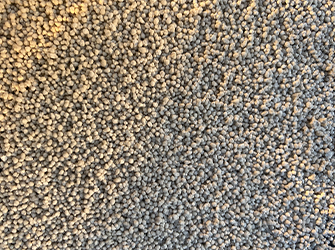
* Excellent Particle Sphericity: Good granulation effect, resulting in round and high-strength particles.
* Flexible Particle Size Adjustment: The size of the finished particles can be adjusted within a wide range (0.5-10mm) according to process requirements.
* Durable Equipment: Adopts a wear-resistant design, with robust key components and a long service life.
* Selectable Process Modes: Various equipment specifications are available, supporting continuous or batch production to adapt to diverse production plans.
Small Bentonite Granulator(CEL01-CR05): Can process 3kg-75kg per batch, with a production capacity of 18kg-450kg/h, depending on the granulator model.
Large Bentonite Granulator Processing Capacity: The production capacity range is very wide, 15-40 t/h or even higher, depending on the granulator model.
- Double-Roller Extrusion Granulator: Used for material compaction, pressing bentonite powder into granules through the high-pressure action of two rollers.
- Rotary Drum Granulator: Uses a rotating drum to compress the material into granules through friction and compression.
- Disc Granulator: Uses the centrifugal force of a rotating disc to cause the material to continuously roll within the disc, ultimately forming granules.
- Spray Granulator: Uses spray technology to spray liquid (such as water or binder) onto dry powder material to help the material form granules.
- Dry Granulator: Requires no added liquid and no subsequent drying.
- Wet Granulator: Requires the addition of a liquid binder (water, solution, etc.), followed by a drying process.
4. Post-granulation processing: Dryer (for wet process), cooler, sieving machine (to separate qualified granules and return rejected material to the system), coating machine (optional, for anti-caking or sustained release).
5. Packaging and dust removal: Automated metering and packaging system, and dust removal and environmental protection equipment throughout the entire line.
- Foundry Industry — Molding Sand Binder
The bentonite granulator processes bentonite clay into a form suitable as a high-quality molding sand binder. Additionally, pelletized bentonite aids in the production of casting molds for metal products. Meanwhile, the efficiency of the bentonite granulator ensures that the casting sand binder is cost-effective and environmentally friendly, as it allows for the recycling of sand and binder. Medium-sized bentonite particles (typically 0.5 to 2 millimeters) are preferred because they maintain good shape and resist thermal shock during the casting process.
- Drilling Fluids and Oil Fields — Bentonite Particles for Stabilizing Rheological Properties
Bentonite particles, with their excellent swelling and adhesive properties, serve as sealants for drilling and base waterproofing. For drilling fluids, finer bentonite particles (usually 0.1-0.5 millimeters) may be more desirable as they suspend more effectively in the mud and provide better lubrication and cooling effects.
- Iron Ore Pelletizing — Binder Preparation When Used with Other Additives
The bentonite granulator also has important applications in the iron ore pelletizing industry. In this process, bentonite is used to bind iron ore powder or concentrate into pellets, which serve as raw materials for blast furnace ironmaking. Thus, the pelletizing process assisted by these machines adds value by improving pellet quality and overall efficiency of the pelletizing process.
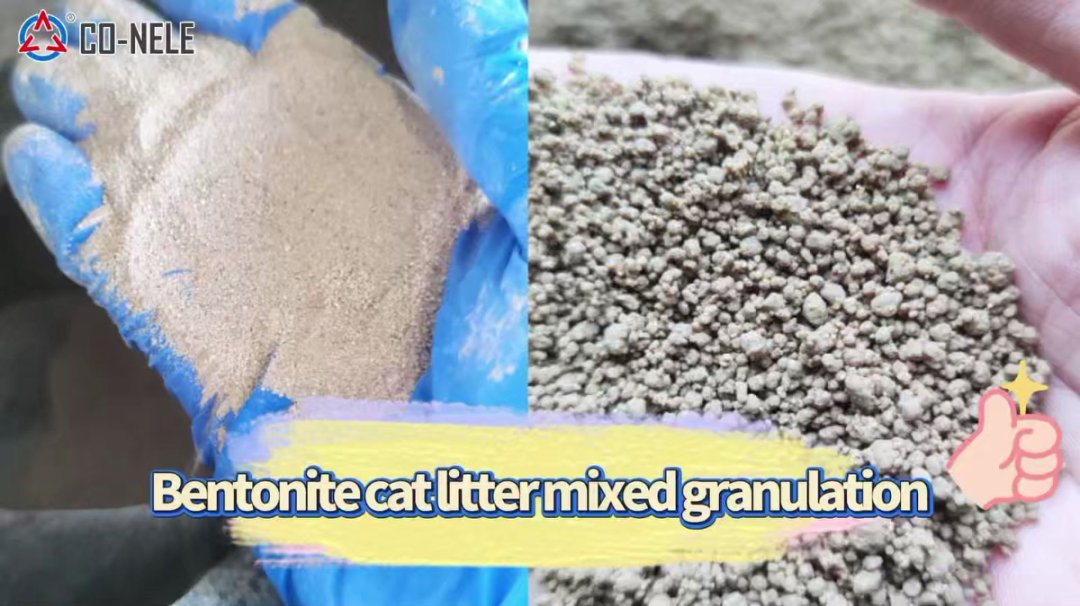
- Cat Litter Production — Dense and Highly Absorbent Particles
Another significant use of the bentonite granulator is in cat litter production. Manufacturers utilize the absorbency, swelling properties, and odor-removing capabilities of bentonite clay to create products that efficiently handle cat waste. In bentonite cat litter, larger bentonite particles (typically 1 to 4 millimeters) are often preferred. They are easier to handle, reduce dust, and offer good moisture absorption and odor elimination.
- Civil Engineering — Waterproofing Geomembrane (GCL 0.5-2mm): Used for seepage prevention in landfills, artificial lakes, etc.; Soil Improvement: Enhances soil water retention and nutrient retention capacity.
- Environmental Protection and Agriculture — Wastewater Treatment: Adsorbs heavy metals and organic pollutants; Fertilizer Carrier/Binder: For producing granular fertilizers or as a binding component.
- Feed Industry — As a feed additive, it serves functions such as binding, preventing caking, and supplementing trace elements.